Need for Speed Carbon Cutscenes: The Definitive Deep Dive into Palmont's Cinematic Story 🎬
Prologue: The Canyon Duel & Narrative Foundation
The opening sequence of Need for Speed Carbon isn't just a cool intro—it's a masterclass in establishing stakes. The game throws you headfirst into a Canyon Duel against the mysterious Darius. The rain-slicked cliffs, the dizzying camera angles, and the pulsating soundtrack create immediate tension. This cutscene does more than introduce gameplay; it introduces loss. Losing your car to Darius isn't just a setback; it's the inciting incident that forces you back to Palmont City with nothing.
🎯 Key Takeaway: The prologue cutscene subverts the traditional NFS power fantasy. Instead of being the unbeatable street king, you're the underdog. This narrative choice, delivered through slick cinematics, creates a stronger drive to reclaim your status than any text box ever could.
Comparing this to the need for speed underground cutscenes reveals an evolution. Underground was about building reputation from scratch; Carbon is about rebuilding it from ashes. The cinematic language reflects this—grittier, more dramatic, with a film-noir edge.
Act I: Reclaiming the Streets - Crew Introductions & Territory Wars
The Crew Mechanics: Wolf, Angie, & Big Lou
Each crew member's introduction cutscene is tailored to their personality. Wolf's scene is all about aggressive, no-nonsense speed. The camera focuses on his modified car's aggressive lines and his stoic, determined face. Angie's introduction, in contrast, is smoother, featuring sweeping shots of the city at dusk, emphasizing her connection to Palmont's social and information networks. Big Lou's scene is heavy, loud, and focused on raw power—crushing metal and deep engine roars.
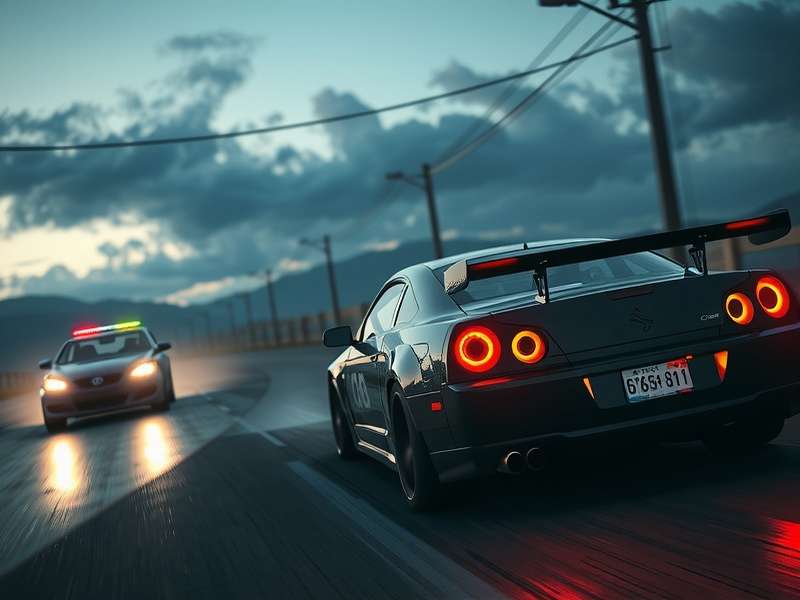
The distinct visual styles of each crew leader's introduction cutscene reinforced their role in your team.
These cutscenes aren't just fluff; they're interactive lore. They teach you about the Blockers, Scouts, and Drafters before you ever use them in a race. This seamless integration of tutorial and narrative is a hallmark of Carbon's cinematic design.
Terory Conquest: The "Map Change" Cutscenes
Every time you conquer a territory boss—Kenji, Neville, or Samson—a short, victorious cutscene plays. Your crew celebrates, the defeated boss yields, and the map visually updates. These brief moments provide crucial rhythm and reward. They break up the racing gameplay and give a tangible sense of progression. The animation of your crew logo spreading across the district map is simple but incredibly effective.
Act II: The Middle Game - Alliances, Betrayals, & The Autosculpt Revolution
The mid-game cutscenes shift focus from conquest to consolidation and intrigue. Your interactions with Nikki, your ex-crew member, are filled with unresolved tension. The cinematography in these scenes often uses close-ups and shallow focus, highlighting the personal history between the characters.
This era of NFS heavily emphasized customization, a legacy continued in titles like the need for speed unbound ultimate collection. Carbon's cutscenes made that customization feel narrative-driven.
The potential betrayal by your chosen crew leader is foreshadowed in subtle glances and line deliveries during post-race cutscenes. Replaying the game, you notice the hints—Wolf's overly ambitious stares, Angie's calculating pauses. This environmental storytelling through character animation adds immense depth.
Act III: The Canyon Redux - Darius Unmasked & The Final Confrontation
The Truth Revealed
The cutscene where Darius's plan is fully revealed is Carbon's narrative peak. The setting shifts to his high-tech lair. The lighting is cold and clinical, contrasting with the warm, neon-drenched streets of Palmont. Darius monologues not just about cars, but about control, society, and destiny. This elevates him from a simple rival to a philosophical antagonist.
The revelation about the player character's past and the true nature of the initial canyon race is delivered with a series of quick flashbacks intercut with Darius's smug exposition. This editing technique connects past and present, making the player's journey feel full-circle.
💎 Hidden Detail: In the final confrontation cutscenes, pay attention to the cars in the background of Darius's garage. Many are iconic cars from need for speed most wanted and need for speed underground 2 pc, serving as a subtle museum of your character's racing history. A brilliant Easter egg for long-time fans.
The Final Duel & Epilogue
The final canyon duel cutscenes are pure adrenaline. They use extreme low-angle shots to make the cliffs feel insurmountable and dizzying overhead shots to emphasize the deadly drop. The rain returns, bookending the narrative. The moment you finally overtake Darius is shown in slow motion—the culmination of hours of gameplay and storytelling.
The epilogue cutscene, where you drive through a now-unified Palmont with your crew, is a victory lap in every sense. The music swells, the city lights blur, and there's a palpable sense of closure. It's a classic "ride into the sunset" moment, but earned through fire.
Legacy & Influence on Modern NFS
Carbon's cinematic approach directly influenced later titles. The crew-based banter during races, the stylized story sequences—you can see their DNA in the live-action cutscenes of later games and the animated style of need for speed unbound ps5 gameplay. While Unbound uses a different visual language (2D animated characters), its commitment to integrating story and stylish cutscenes owes a debt to Carbon's bold narrative focus.
For players looking to experience this era today, options range from official re-releases to community projects. Discussions around need for speed free download apk often highlight the challenge of preserving these classic cinematic experiences on modern mobile platforms.
Rate This Deep Dive
How would you rate our analysis of Carbon's cutscenes? Your feedback helps us create better content.
Community Discussion
Share your thoughts, memories, or theories about Need for Speed Carbon's story and cutscenes!